Category: AI LEAD GENERATION

  • How Powerful AI Lead Generation Systems Are Transforming Plumbing Businesses: Inside the B2B List Builders Integration System

    How Powerful AI Lead Generation Systems Are Transforming Plumbing Businesses: Inside the B2B List Builders Integration System

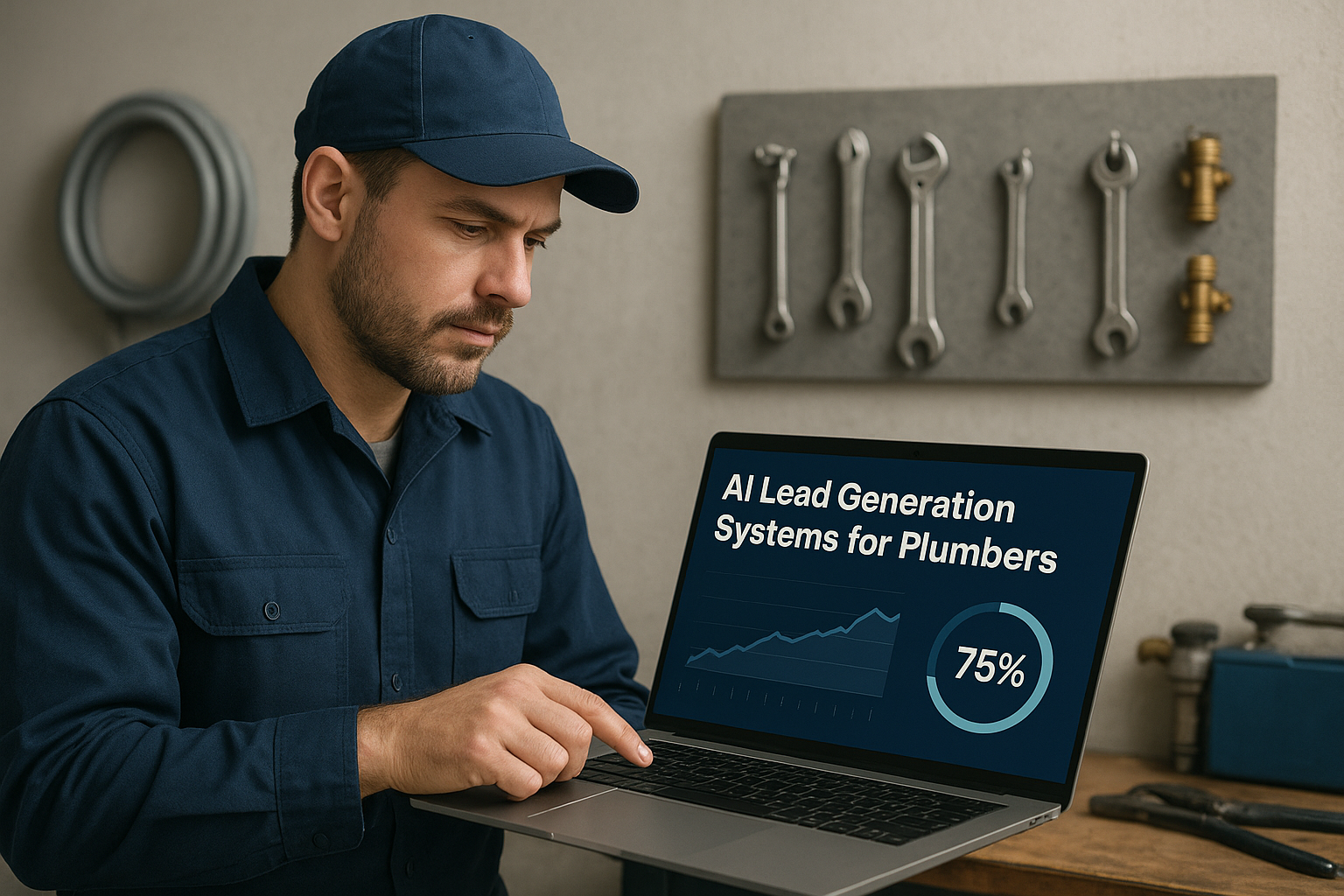
    AI lead generation systems for plumbers are rapidly transforming how local plumbing businesses discover, qualify, and secure high-value clients. By integrating solutions like the B2B List Builders Integration System, powered by efficient prospecting engines, plumbing companies can unlock reliable, scalable growth even in competitive service markets. Below, we explore the real-world benefits of AI-driven list building, practical steps for successful integration, and what sets this technology apart for plumbing businesses focused on measurable results.

    The New Era of AI Lead Generation Systems for Plumbers

    The adoption of AI lead generation systems is reshaping local plumbing lead acquisition. These automated platforms efficiently analyze market data, identify both commercial and residential opportunities, and automate early outreach, freeing business owners from repetitive research and manual list-building.

    Key advantages include:

    – Immediate identification of leads in your service area.

    – Smarter targeting using data signals from property activity, reviews, and service requests.

    – Automated outreach workflows that preserve compliance and build trust.

    Unpacking the B2B List Builders Integration System

    Unlike basic directory scrapers, the B2B List Builders Integration System leverages advanced AI algorithms to deliver selective, up-to-date prospect lists tailored to real service demand. Its core prospecting engines analyze diverse signals such as public registrations, urgent service reviews, and recent inquiries to create high-conversion outreach opportunities.

    AI Lead Generation Systems

    What Does AI-Powered Prospecting Deliver for Your Plumbing Business?

    Dynamic Prospect Lists: The system evolves as local demand shifts, automatically adding relevant contacts from new residential developments and expanding commercial properties.

    Higher-Quality Leads: AI filters out low-intent contacts, focusing efforts on homeowners, property managers, and businesses that have recently shown need for plumbing services.

    Integrated Automation: Quickly connect the platform to your CRM or scheduling tools for fluid, end-to-end sales processes.

    Hypothetically, a plumbing company leveraging this technology could consistently keep its pipeline filled for emergency repairs or routine checkups, without dedicating staff to manual outreach.

    Key Considerations Before Investing in AI Automation

    To achieve sustainable results with the B2B List Builders Integration System, it’s important to plan for the necessary organizational and operational commitments:

    Budget Allocation: A minimum monthly investment for ad spend is required to drive ongoing AI data learning and campaign optimization.

    Variable AI Fees: Ongoing costs scale with business goals, target markets, and service area expansion.

    Continuous Engagement: Success hinges on regular participation reviewing campaigns, providing approvals, and refining strategy as new data emerges.

    Growth Mindset Required: AI-driven lead generation is most effective for owners ready to embrace automation, adapt quickly, and stay involved with performance reviews.

    These requirements ensure that participants benefit from the full potential of automated prospecting.

    Details about contractual agreements, profit-sharing, and digital asset policies are available upon request to ensure transparency and protect your investment.
    AI Lead Generation Systems

    What Makes AI Prospecting Engines Unique for Plumbing Services?

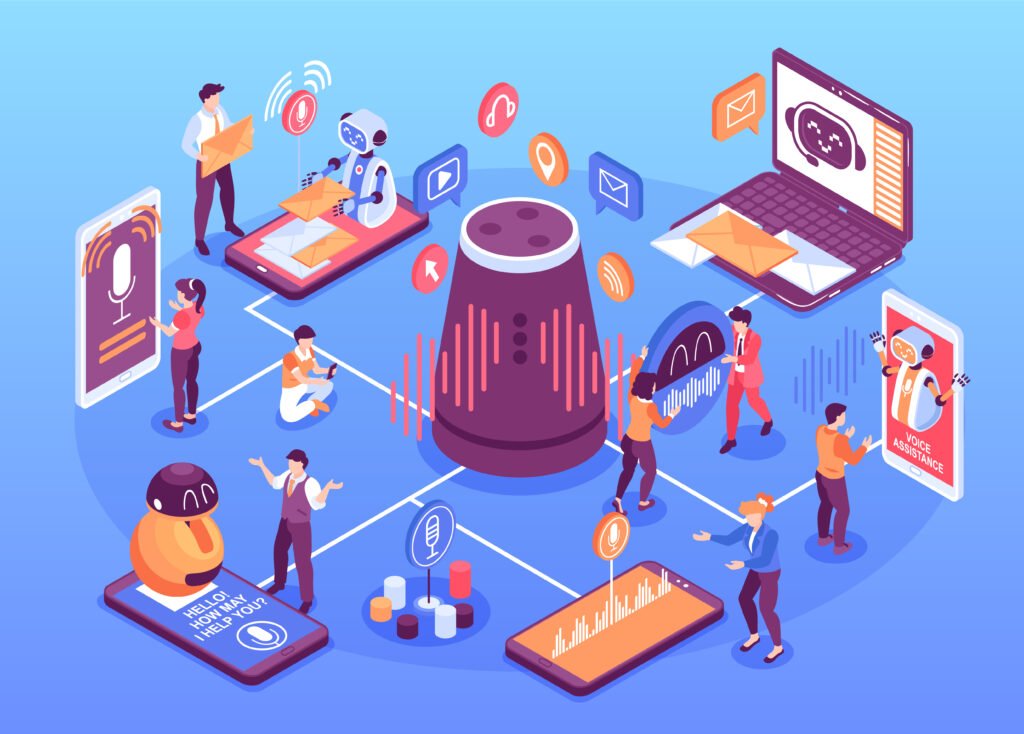
    The plumbing sector faces localized challenges: rapid response times, trust-driven customer selection, and sustained competition. AI prospecting engines address these demands directly through:

    Geo-Targeting: Engines analyze online reviews, licensing activity, and urgent service searches to deliver region-specific lead lists.

    Behavioral Insights: Segmentation based on search queries, recent permit filings, or maintenance cycles increases conversion probability.

    Compliance Assurance: Automated workflows stay current with local contact regulations, opt-in protocols, and data protection requirements to maintain ethical outreach.

    For further industry insights, explore resources like HubSpot’s AI Lead Generation Blog, which highlights the effectiveness of niche-specific prospecting systems.

    Steps to Capitalize on AI for Plumbing Business Growth

    Consider these actionable steps to ensure your integration is efficient and rewarding:

    1. Assess Readiness: Ensure you can participate actively with timely feedback and campaign approvals.

    2. Shape Your Investment Strategy: Set aside the required budget and explore ROI expectations to align with your business objectives.

    3. Define Outreach Goals: Tailor your campaigns by service line emergency, preventative, or installations—to capture diverse growth opportunities.

    4. Prepare Your Team: Inform staff about automation’s role in creating new efficiencies and emphasize a data-driven mindset in decision-making.

    Key Takeaways

    – AI lead generation systems for plumbers provide scalable, data-driven pathways to attract and convert local leads more efficiently than manual outreach.

    – The B2B List Builders Integration System empowers plumbing businesses to automate prospecting and integrates with existing CRMs, supporting sustained growth for those willing to invest and engage.

    – Companies leveraging AI prospecting engines benefit from geo-targeted leads, compliance-focused workflows, and higher conversion potential in demanding markets.

    Ready to transform your plumbing business with qualified, consistent leads? Schedule a private consultation to see if the B2B List Builders Integration System is the strategic resource for your next stage of growth. Our advisors will review requirements, address your business goals, and help you chart a path towards measurable returns in your market.


    Book your consultation now!

  • How AI Tools Revolutionize DM/SMS for Drop Shipping Success

    How AI Tools Revolutionize DM/SMS for Drop Shipping Success

    Artificial intelligence is reshaping the e-commerce landscape, offering drop shipping businesses unprecedented opportunities to scale, personalize, and automate their communications. Nowhere is this progress more tangible than in the world of direct messaging (DM) and SMS marketing. By leveraging AI tools for DM/SMS drop shipping, professionals can create responsive, customer-centric experiences that drive efficiency, enhance customer retention, and unlock new avenues for profitability.

    This article explores how AI-driven DM/SMS tools are transforming drop shipping operations. We’ll examine emerging best practices, the impact on marketing and management processes, key cost considerations, and strategies for successful implementation. Whether you’re looking to optimize your marketing funnel or explore robust automation solutions, these insights aim to support informed, forward-thinking business decisions.

    AI Tools for DM/SMS in Drop shipping: Precision Meets Scale

    The evolution of AI tools for DM/SMS drop shipping goes well beyond simple automation. Today’s systems intelligently interpret customer behavior in real time, enabling marketers to deliver personalized messaging at scale.

    Key advantages include:

    Tailored Customer Interactions: AI-powered platforms analyze browsing habits and transactional data to deliver contextual, relevant messages—boosting engagement and conversion rates.

    Intelligent Audience Segmentation: Instead of relying on static lists, AI dynamically groups your customers based on evolving preferences and interactions, ensuring campaigns always hit their mark.

    Real-Time Optimization: Machine learning models adjust messaging strategies in the moment, adapting to shifts in buyer behavior and campaign performance on the fly.

    This level of automation elevates both customer experience and operational scalability—a decisive combination for modern drop shippers seeking to outpace competition.

    Every stage of the drop shipping funnel—awareness, consideration, purchase, and post-sale care—benefits from intelligent DM/SMS automation. Here’s how AI tools for DM/SMS drop shipping are reshaping workflow:

    Streamlining the Drop shipping Funnel Using AI-Powered DM/SMS Automation

    Dynamic Personalization: Platforms use real-time data to tailor abandoned cart reminders, loyalty rewards, and promotional alerts. For example, a store selling home goods might automatically trigger personalized SMS offers for customers who recently browsed kitchen products, improving the likelihood of conversion.

    Automated Segmentation: AI systems segment audiences by criteria such as product interests, purchase recency, and geographic location. This ensures messages are both relevant and timely, minimizing unsubscribes and maximizing ROI.

    Optimized Sending Windows: Advanced algorithms determine when customers are most likely to engage, increasing open rates and driving more meaningful conversations.

    By embedding these capabilities into your e-commerce ecosystem, your team can dedicate more resources to strategic initiatives while automation handles everyday communications.

    Investment and Management: What to Consider

    Adopting AI tools for DM/SMS drop shipping is a strategic decision that requires thoughtful planning and oversight. Consider the following as you evaluate options:

    Minimum Ad Spend: Many platforms recommend a baseline advertising investment—commonly around $600 per month—to ensure sufficient data for effective AI optimization.

    Subscription and Usage Costs: Expenses vary based on the platform’s feature set, contact volume, and integration needs.

    Oversight and Responsibility: While automation reduces manual work, ongoing human review remains essential. Business owners should plan for regular reviews of messaging performance, compliance, and audience feedback.

    Additionally, many drop shipping businesses adopt clear frameworks around profit-sharing and asset management—such as allocating a percentage of profit until an agreed threshold or retaining brand ownership if an investor exits early. These structures foster transparency and help ensure alignment between stakeholders.

    To understand how AI-driven systems enhance overall content performance, you can explore our detailed post — The System Blueprint: How AI Optimization Drives the Future of Blog Latticing Architecture — where we’ve explained how intelligent optimization frameworks shape the structure and visibility of modern blogs.

    Maximizing Value: Best Practices for AI-Driven DM/SMS

    To fully realize the benefits of AI tools for DM/SMS drop shipping, professionals should consider the following best practices:

    Centralize Communication: Unify SMS, email, and DM channels within a single platform to build holistic customer profiles and manage workflows efficiently.

    Continuous Performance Analysis: Regularly review AI-generated analytics to refine targeting strategies, messaging cadence, and overall campaign direction.

    Prioritize Compliance: Use built-in features to manage customer opt-ins, comply with evolving SMS and privacy regulations, and prevent over-messaging that can erode trust.

    Hypothetical Case Study: AI-Driven Cart Recovery

    Consider a hypothetical drop shipping store specializing in trending fitness accessories. If the AI tool identifies a spike in abandoned carts among mobile users, it can instantly segment those visitors and send targeted, time-limited discount codes via SMS. Over the next week, improved engagement and checkout rates follow—illustrating how real-time AI automation can promote measurable business outcomes.

    Key Takeaways

    Advanced AI tools for DM/SMS drop shipping enable personalized, data-driven communication and scalable engagement.

    Strategic planning and active oversight are crucial to ensure system effectiveness, compliance, and profitability.

    Integrating and refining AI-powered automation supports long-term growth and a more resilient drop shipping business.

    Ready to discover how AI-powered DM/SMS automation can propel your drop shipping profitability and customer loyalty? A personalized consultation provides tailored recommendations, a roadmap for implementation, and full transparency around investment and partnership options.

    Unlock the full potential of your e-commerce strategy—schedule your private consultation today.

    Visit our website for approved AI analytics integrations and full dropshipping automation training : Sbcaio.com

  • The System Blueprint: How AI Optimization Drives the Future of Blog Latticing Architecture

    The System Blueprint: How AI Optimization Drives the Future of Blog Latticing Architecture

    In an era where SEO competition is relentless and content must outperform ever-evolving algorithms, leveraging AI in your blog latticing architecture is no longer optional—it’s foundational. Forward-thinking entrepreneurs and e-commerce professionals are discovering that the right AI Optimization system blueprint sets the stage for unprecedented content distribution, discoverability, and long-term profitability.

    AI Optimization in Blog Latticing Architecture: A Core Principle

    AI optimization has become central to architecting scalable, sustainable blog ecosystems. Integrating AI tools into your blog structure does not just automate mundane tasks—it transforms your strategy by:

    – Identifying high-potential, evergreen keywords before they trend.

    – Mapping optimal internal linking patterns for both users and search engines.

    – Generating topic clusters to maximize authority in every content node.

    For example, an AI-driven content mapper can detect emerging niches—such as “AI-powered dropshipping analytics”—which typically have low competition but high commercial intent. This enables you to own lucrative SEO territory before it becomes saturated.

    Why Distribution Matters—and How AI Redefines It

    Traditional blog distribution relies on scheduled posts and simple newsletters. Today, AI platforms dynamically analyze user behavior, segment your audience in real-time, and automate cross-platform syndication, ensuring each post reaches its ideal reader at the ideal moment.

    Key distribution channels being transformed by AI include:

    – Automated email segmenting for hyper-personalized outreach

    – Social media scheduling based on predictive engagement windows

    – Real-time content reshuffling to prioritize high-performing articles

    Consider an e-commerce brand using AI-powered testing that identifies the optimal time for blog deployment—improving engagement and conversion rates without manual guesswork.

    Building the Core System Blueprint: Foundational Elements

    Crafting a resilient, growth-focused blog latticing architecture begins with a systematic approach to core components, all tightly integrated with AI capabilities:

    1. Content Node Planning

    Start by using AI research tools to find evergreen keywords that align with your business goals and audience intent. Define clear tiers of topics (Tier 1: AI Optimization & Distribution, Tier 2: Automation for e-commerce growth, Tier 3: Niche-specific use cases like “AI in product recommendation engines”), then build out a central pillar with supporting content that interlinks naturally.

    2. Smart Interlinking

    AI-driven internal linking engines analyze user journey data and update links to ensure every post supports another, creating a web of relevance that both readers and search engines appreciate.

    3. Automated Performance Tracking

    Sophisticated AI tools monitor bounce rates, dwell time, and content gaps, recommending next steps or updates. This ensures your blog remains lean and effective, alerting you to underperforming clusters before they dampen SEO strength.

    Practical AI: Sustaining Profitability and Quality at Scale

    AI Optimization Of Future Blog
    Startup employee looking over business charts, using AI software to take data driven decisions in tech industry. IT expert developing innovative artificial intelligence solutions for company, camera B

    Only a fraction of blog-driven e-commerce projects become self-sustaining and consistently profitable—often because most lack a refined, continuously optimized system. With AI, you:

    – Reduce guesswork in content investment by relying on quantitative forecasts.

    – Free up creative resources by letting automation manage routine optimizations.

    – Increase your odds of achieving a sustainable flow of organic traffic and conversions.

    Entrepreneurs experienced in AI-based blog latticing report that around 20% of their efforts become lucrative, with ongoing refinements enhancing returns year-over-year.

    Key Takeaways

    – An AI-optimized blog latticing architecture is now critical for sustainable visibility and growth.

    – AI transforms core components: from keyword discovery to distribution and continuous optimization.

    – Leveraging evergreen, low-competition keywords is essential for achieving scalable results.

    Overcome the Guesswork—Book Your Consultation

    Ready to implement an intelligent, AI-powered system blueprint that future-proofs your e-commerce blog? Our private network connects you directly to experts specializing in finely-tuned blog latticing architectures, designed for lasting profitability and reach. Take the first step toward building a high-performing, low-maintenance content machine:

    Book a consultation to discover if your business qualifies and secure your spot with our AI distribution specialists.

    Looking for more AI tools for marketing? Visit our homepage: https://marketingwithai.blog

  • AI List Building Is Revolutionizing DTC Growth

    An AI B2B list builder for DTC brands helps you find the right leads faster using smart automation.

    The rise of direct-to-consumer (DTC) e-commerce is intricately linked to advances in business technology—most notably, AI-powered B2B List Builders and prospecting engines. In a digital marketplace defined by speed and competition, these systems are transforming how DTC brands approach lead generation, outreach, and sustainable growth. By using an AI B2B List Builder, DTC brands can automate lead sourcing and focus more on scaling rather than manual research. By harnessing the power of AI lead generation for e-commerce, forward-thinking entrepreneurs can now build high-quality prospect pipelines with remarkable efficiency.

    Why DTC Brands Are Turning to AI B2B List Builder Systems

    For DTC founders and e-commerce teams, the search for qualified leads often consumes time and resources that could be spent scaling the business. Traditional prospecting methods, though reliable in the past, seldom keep pace with the dynamic demands of today’s market.

    AI-driven B2B List Builders fundamentally change this equation by:

    – Automating Lead Sourcing: These tools leverage real-time web data to generate fresh, highly targeted prospect lists, reducing manual effort and error.
    – Customizing Outreach: By analyzing your store’s vertical, audience, and product fit, algorithms suggest leads most likely to engage—enabling personalized, relevant outreach at scale.
    – Optimizing Resources: Effective automation allows your sales and marketing teams to focus on strategy and conversion, enhancing the value of every dollar spent.

    This is why integrating an AI B2B List Builder helps DTC brands stay competitive by targeting only the most relevant and high-value prospects.

    Integrating an automated B2B list builder ensures that DTC brands spend less time on groundwork and more on connecting with potential partners and buyers.

    Using an AI B2B List Builder helps DTC brands find qualified leads faster without manual research.

    Inside the Prospecting Engine: The Heart of AI Lead Generation

    At the core of any robust AI lead generation system lies the prospecting engine. This digital mechanism uses advanced algorithms to continuously identify the companies and buyers most aligned with your offering.

    Consider how a prospecting engine operates:

    – Sophisticated Data Aggregation: It synthesizes public, open web, and proprietary data to pinpoint prospects based on your exact criteria.
    – Predictive Analytics: Machine learning assesses which contacts are most likely to convert, ranking them by relevance and potential value.
    – Customizable Filters: You control parameters—industry, geography, purchase behavior—to fine-tune your list for precision outreach.

    This intelligent approach keeps your pipeline full with minimal waste, allowing for faster, more strategic expansion into new or underserved markets.

    Benefits of Automated AI Lead Generation Systems for DTC Stores

    As DTC businesses push for efficiency, integrating AI-powered B2B list builders delivers several advantages: One of the strongest advantages of an AI B2B List Builder is that it continuously refreshes lead lists to maintain accuracy and relevance.

    – More Relevant Leads: AI filters out non-aligned prospects, so your outreach is targeted to those with a higher likelihood of engaging.
    – Improved Scalability: With automated, evergreen list building, DTC stores can pursue steady growth without the constraints of manual prospecting.
    – Future-Proofed Outreach: AI systems can quickly adapt to shifts in buyer behavior, ensuring your strategies remain current and effective.

    For example, a hypothetical eco-friendly apparel DTC brand could use these systems to identify boutique retailers or subscription box companies seeking sustainable products. The result: a curated, actionable lead list that supports meaningful business relationships.

    Evergreen Tactics for AI-Driven B2B Prospecting

    AI B2B List Builder for DTC store marketing growth
    AI-Powered Keyword Research in Real Estate Marketing

    Lasting success with AI-powered B2B list builders in e-commerce requires ongoing optimization. Plan for these evergreen tactics to maintain a strategic advantage:

    – Keyword Optimization: Regularly update campaigns using phrases like “AI lead generation for e-commerce,” “automated B2B list builder,” and “best prospecting engines for DTC growth” to boost organic search visibility.
    – Data Integrity: Validate and update your lead databases to ensure contacts remain accurate and actionable.
    – Performance Reviews: Frequently audit the AI system’s outputs, adjusting filters as needed to align with evolving brand goals and market shifts.

    Maintaining these practices helps DTC brands sustain their competitive edge, especially as algorithms and buyer expectations continue to evolve.

    Ensuring DTC Success With AI Integration

    While AI lead generation for e-commerce can offer substantial gains, strong results hinge on more than technology. Success emerges from a combination of consistent communication, smart investment, and strategic execution.

    Consider:

    – Developing Clear Workflows: Foster timely feedback between your team and AI system operators.
    – Staying Engaged: Review and approve high-value leads promptly to maintain outreach momentum.
    – Prioritizing Adaptability: Be prepared to adjust strategies as you gain real-time insights from your AI-generated prospect data.

    Ultimately, the partnership between innovative technology and proactive business management sets the foundation for lasting growth.

    Key Takeaways

    – Automated B2B list builders streamline targeted lead generation for DTC store growth.
    – A well-configured prospecting engine ensures efficient scaling and optimized resource allocation.
    – Ongoing optimization and active engagement improve both lead quality and long-term business outcomes.

    Ready to elevate your DTC store’s growth strategy with an AI-powered B2B List Builder? Book a private consultation to explore how automated lead generation can amplify your reach and profitability. Our experts will help you determine the right integration for your goals.

    Book a consultation now!

    If your goal is to scale efficiently, adopting an AI B2B List Builder is a strategic move for long-term DTC growth.

    Looking for more AI tools for marketing? Visit our homepage: https://marketingwithai.blog

  • How AI Is Transforming Context Retention Systems:

    A Case Study in E-Commerce Success

    Artificial intelligence (AI) has rapidly shifted from a buzzword to a strategic foundation in modern e-commerce. One particularly transformative area is context retention systems—the core infrastructure that preserves and leverages user, product, and behavioral data through every stage of the customer journey. In this case study, we’ll unpack how AI-driven context retention systems are reshaping e-commerce performance, discuss the fundamentals of setup and best practices, and outline actionable strategies for building a future-proof business.

    Why Context Retention Systems Matter in E-Commerce

    In an environment where customer attention is fleeting and competition is fierce, the ability to recall and act on nuanced context is a true differentiator. Context retention systems use AI to synthesize data from multiple touchpoints, adapt marketing and sales strategies on the fly, and enhance personalization at scale.

    Main keyword: context retention systems

    By weaving context throughout the customer experience, these AI-enabled systems deliver:
    – More accurate product recommendations
    – Higher-converting retargeting ads
    – Reduced cart abandonment
    – Stronger long-tail customer retention

    The Core Principles of AI-Powered Context Retention

    AI supercharges traditional context retention systems by introducing:
    – Continuous learning: Algorithms analyze evolving customer patterns, ensuring your business never loses sight of what’s working.
    – Dynamic segmentation: AI clusters customer profiles with precision, allowing more targeted and meaningful engagement.
    – Automated data enrichment: From browsing to post-purchase, AI fills gaps, corrects inconsistencies, and surfaces hidden opportunities for outreach.

    These principles don’t just streamline workflows—they boost profitability and scale with business growth.

    Setting Up Your Context Retention Core System: Actionable Steps

    For e-commerce entrepreneurs and business leaders, implementing an AI-powered context retention system calls for clear strategy and commitment. Here’s how to approach the core setup:

    1. Define Your Objectives:
    Are you focused on reducing churn, boosting average order value, or optimizing advertising spend? Clearly articulated goals help guide system configuration and AI model selection.

    2. Integrate Multi-Source Data:
    Connect your ecommerce storefront, advertising channels, and CRM. AI works best when it draws on a unified, rich dataset.

    3. Select Adaptive AI Tools:
    Choose solutions that support your specific vertical and can evolve as marketplace conditions shift. Look for platforms with proven context retention capabilities.

    4. Establish Feedback Loops:
    Design workflows for regular data review and system recalibration. Consistent communication and timely approval cycles improve AI performance and business outcomes.

    5. Commit to Minimum Investment:
    Plan for foundational expenses—including ad spend (minimum $600 monthly recommended), essential AI usage fees, and ongoing management for optimal results.

    AI’s Quantifiable Impact: A Practical Case Study

    Consider a hypothetical e-commerce investor who launches a dropshipping store using an AI-enabled context retention system. With a consistent monthly investment in advertising and AI management, the store adapts quickly to buyer preferences. Approximately 20% of such stores, based on observed patterns, progress to become profitable and sustainable ventures—demonstrating AI’s role in dramatically improving the odds of lasting success.

    Key system benefits observed include:
    – Enhanced targeting that reduces wasted ad spend
    – Data-driven inventory planning to prevent overstock and stockouts
    – Automated follow-ups that drive second and third purchases

    While AI dramatically increases your chances of breaking into the top performers, it’s crucial to engage consistently, review data, and make timely decisions—ultimate results depend on responsive management and ongoing optimization.

    Best Practices for Sustainable Growth

    – Stay Agile: Monitor shifting market trends and update AI workflows for ongoing relevance.
    – Prioritize Communication: Engage regularly with your AI and marketing partners.
    – Protect Digital Assets: Maintain clear agreements regarding asset control in evolving partnership arrangements.

    Key Takeaways

    – AI-powered context retention systems are a catalyst for scalable e-commerce growth.
    – Success depends on cohesive data integration, consistent oversight, and ongoing investment.
    – Only a portion of ventures become long-term profitable—active participation and adaptive strategies increase your odds.

    Ready to See If You Qualify for an AI-Driven E-Commerce Venture?

    Leverage the power of AI to transform your customer retention, advertising efficiency, and bottom line. If you’re ready to invest in results and want to connect to the right people, now’s the time. Book your private consultation to determine if you’re a strong fit for this performance-focused approach—let’s explore your potential together.

    Book a consultation: By Clicking here

    ⚠️ CAUTION:

    Before integrating AI-powered context retention systems into your e-commerce business, ensure your data collection methods fully comply with GDPR, CCPA, and other regional privacy regulations. Avoid connecting unverified data sources or deploying AI models without reviewing their data storage policies. Mismanagement of user context data can lead to customer distrust, ad inefficiency, or even legal risk. Always use certified AI analytics platforms and perform quarterly audits to ensure compliance and data accuracy.

    👉 Visit our website for verified AI e-commerce automation tools and training programs: Sbcaio.com